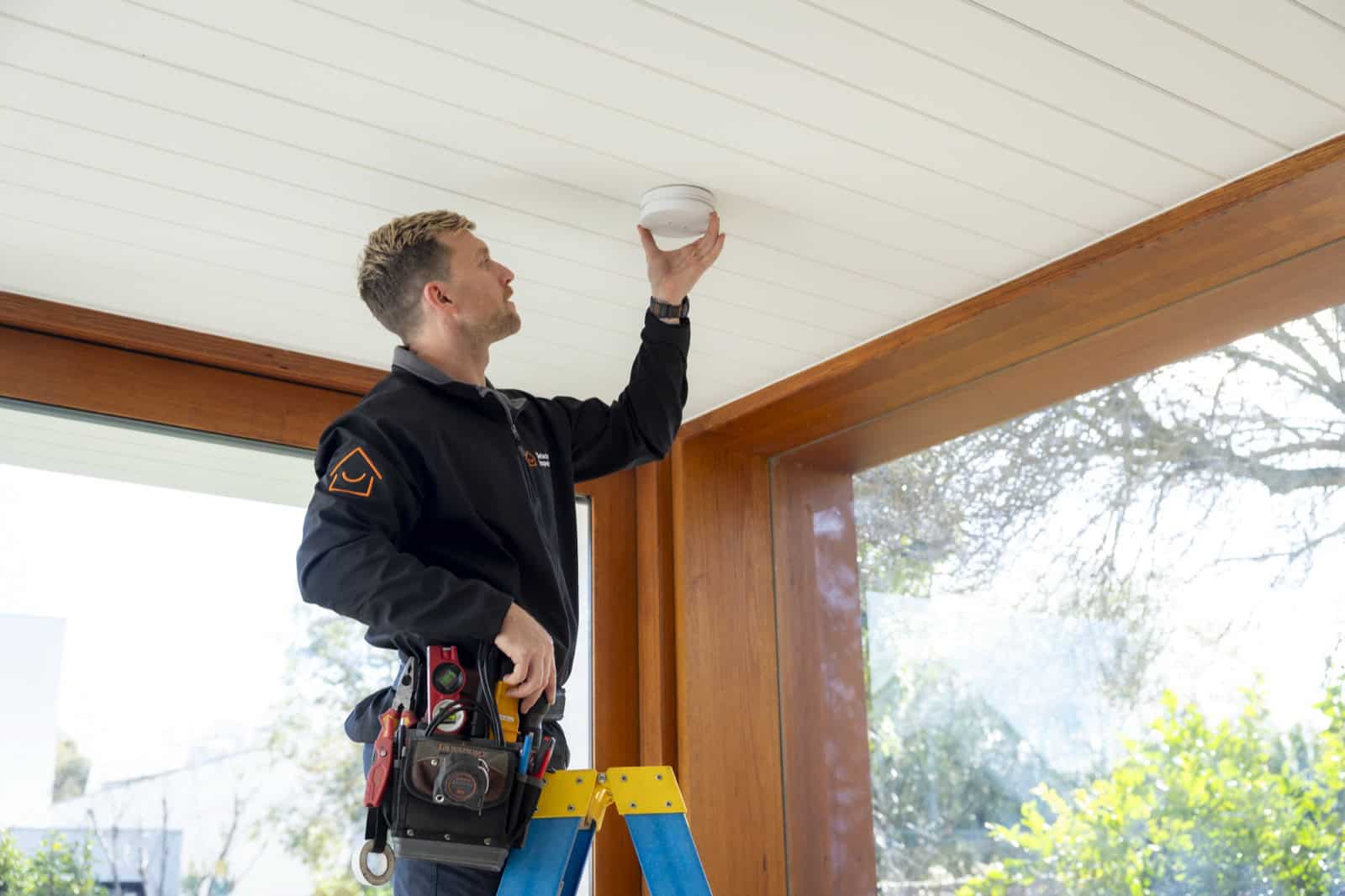
There’s a common misconception in NSW that strata management will take care of the safety and compliance requirements within apartments. The truth is more complex.
What is strata and how is it managed in NSW?
Strata is the legal framework that governs the ownership and management of multi-unit properties. It allows individual owners to have exclusive rights to their unit or apartment, as well as shared responsibility for the common areas and facilities of the complex or building. Strata schemes in NSW are regulated by NSW Fair Trading and require owners to comply with certain rules and obligations.
What are landlord’s fire safety obligations?
In NSW, Annual Fire Safety checks conducted by strata differ in important respects to the Residential Tenancies Act 2010 (NSW) (RTA) and follow a different set of standards and regulations. Strata companies are required to complete an Annual Fire Safety Statement each year which generally includes checks and tests of essential fire safety measures such as:
- Automatic smoke detection and fire sprinkler systems to residential buildings (common areas);
- Emergency lights, lifts, exit signs, and warning and intercommunication systems;
- Fire doors, control panels, dampers, hydrants, seals, hoses, and extinguishes; and
- Paths of travel, doors and exists.
Strata companies do have extensive fire safety obligations but are not required to be as granular (individual smoke alarm testing) as landlord managed properties.
Relying solely on strata annual fire safety checks could result in non-compliance with the RTA and Fair Trading obligations, exposing tenants to a serious safety risk.
What are strata companies’ fire safety obligations?
It is essential to understand that most strata annual fire safety checks DO NOT meet the following requirements under the RTA by which landlords need to abide by:
- Annually replace removable batteries in all smoke alarms.
- Replace a smoke alarm with a new smoke alarm within 10 years from the manufacture date or earlier if specified.
- Attend to faulty alarms within two business days of becoming aware of the problem (it is unlikely a strata company will attend within such as small time frame).
To learn more about RTA legislation that landlords are required to follow click here.
Ultimately, whose responsibility is it?
While it is the responsibility of strata companies to ensure all properties under their management comply with standards and regulations within common areas, the responsibility of managing fire safety checks ultimately rests on the landlord to comply with the mandatory requirements from the RTA, ensuring the annual battery change and maintenance for internal smoke alarms in their property (unless they have written confirmation from the Owners Corporation to the contrary).
Consequences of non-compliance
Non-compliance with the smoke alarm obligations outlined in the RTA can have serious consequences for landlords and managing agents. Landlords must ensure that the repair or replacement of smoke alarms installed in their rental property is carried out in accordance with the Residential Tenancies Regulation 2019 (NSW). If they don’t, a maximum penalty of $2,200 will apply.
Compliance audits are conducted regularly across the state by government authorities like NSW Fair Trading to monitor and manage ongoing adherence to the regulations. Agencies and landlords who fail these audits expose themselves to risk of substantial fines and licence cancellations.
It is essential for landlords and managing agents to understand the gravity of their compliance obligations and take proactive measures to ensure the safety of their tenants while meeting the requirements set forth by the RTA.
If you have any further questions or would like to learn more about how Detector Inspector can help inform your landlords and to manage RTA compliance obligations, please contact us below.