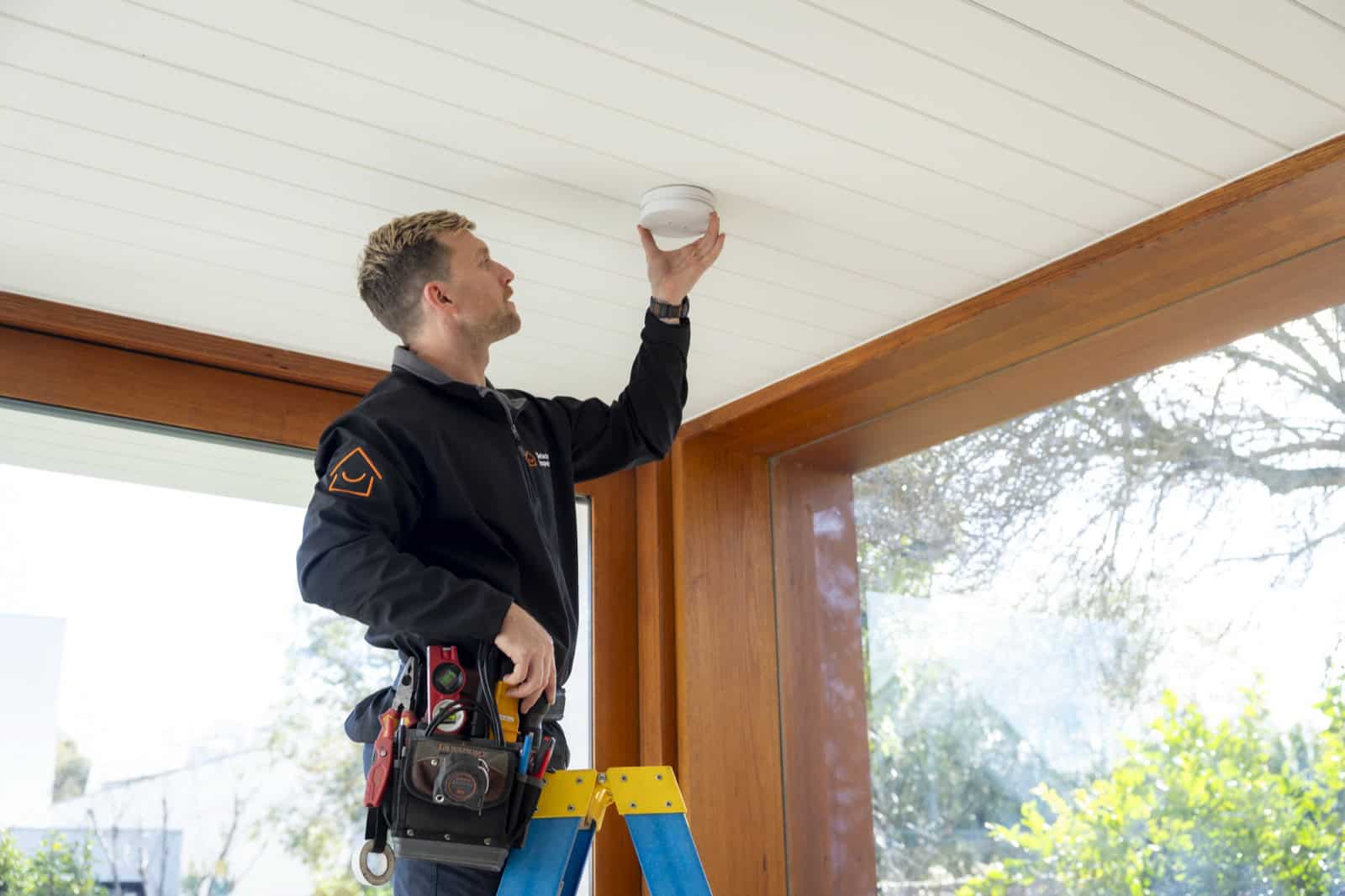
Granny flats, or secondary dwellings, have surged in popularity among property owners seeking to enhance property value and generate rental income. While smoke alarm laws across Australia differ, the fact is that smoke alarms are mandatory in all secondary dwellings, as mandated by the Building Code, mirroring the requirements for primary residences.
Only working smoke alarms save lives
In October 2023, a Sydney man was found unconscious in a granny flat after a fire had started in the refrigerator. The man did not wake up, as the granny flat was not fitted with a smoke alarm.
“Had the granny flat been fitted with a working smoke alarm, it is possible the tragic death of this man could have been avoided. Smoke alarms provide early warning in the event of a fire and, therefore, increase your chances of survival,” Fire and Rescue NSW Superintendent Adam Dewberry said.
The absence of a working smoke alarm in the granny flat in this unfortunate incident highlights the pivotal role that these safety devices play in emergency situations.
Compliance with smoke alarm regulations is critical in any rental accommodation, and this tragic loss of life is a poignant reminder of the importance of functioning smoke alarms, that could have made a difference in this circumstance.
What are granny flats and when do they need smoke alarms?
A granny flat is a self-contained housing unit located on the same block as a single-family dwelling. A granny flat is equipped with essential living facilities, such as a kitchen, bathroom and sleeping area. It is designed to function as a complete living space, allowing its occupants to live independently. Granny flats can serve various purposes, including providing housing for aging parents, adult children, guests, or tenants.
They can be used as rental units to generate additional income for the property owner which has recently become a popular use case in many states. Granny flats can often be a cost-effective way to increase property value and to generate a rental income utilising unused space on a property. Over the last couple of years, state governments have allowed granny flats to enter the rental market due to the housing shortage across the country, with South Australia being the latest and final state to allow these dwellings onto the rental market as of October 2023.
Granny flats, as most commonly designed, are classified as Class 1a buildings under the National Construction Code (which includes the Building Code of Australia (BCA)). This means that they are held to the same smoke alarm installation requirements as any principal living dwelling.
In a Class 1a building, smoke alarms must be located in: (a) any storey containing bedrooms, every corridor or hallway associated with a bedroom, or if there is no corridor or hallway, in an area between the bedrooms and the remainder of the building; and (b) each other storey not containing bedrooms.
In the following examples, we explain the required smoke alarm locations and when interconnection is needed.
Figure 1 - 2-bedroom granny flat

In this common example of a granny flat design, the alarm must be located in an area between the bedrooms and the remainder of the dwelling.
Figure 2 - 3-bedroom granny flat

With bedrooms either side of the living space and kitchen (where the majority of house fires start), this design warrants the installation of two smoke alarms in areas between bedrooms and the remainder of the building. In some states, these two alarms must be interconnected. In Victoria, New South Wales and South Australia, new buildings built after 1 May 2014 must have mains powered and interconnected smoke alarms where more than one is present.
You can learn more about your smoke alarm interconnection requirements for these states here.
Smoke Alarm Maintenance
When it comes to smoke alarm maintenance, property owners need to adhere to two types of regulations: Federal requirements including the National Construction Code and Building Code which apply Australia-wide, and individual requirements for their state.
Each state individually adopts parts of the Building Code and Australian Standards. So, while the Building Code and Australian Standards set out a uniform standard, it is important to understand the different legislative requirements for smoke alarms in each state which you can read about here.
Conclusion
The safety of occupants in granny flats is a matter of utmost importance. The tragic incident in Sydney serves as a stark reminder of the critical role smoke alarms play in ensuring the well-being of residents.
Whether you own a granny flat or manage one, understanding the smoke alarm requirements in your state is crucial. Compliance with these regulations not only keeps you on the right side of the law but, more importantly, it can save lives.
At Detector Inspector, we are committed to promoting safety and compliance in rental properties across Australia. For more information and guidance on smoke alarm requirements, feel free to reach out to our team.