Not long ago, you had up to 15 minutes to safely escape a house fire. Today, in many modern homes, that window has shrunk to as little as 3 to 5 minutes. That change isn’t accidental—it’s due to how homes are now built and furnished and for property managers, landlords and tenants alike, it has major implications for how we think about fire safety.
Modern homes burn faster. Here’s why.
Historically, Australian homes were typically single-storey and built with solid brick which is a naturally fire-resistant and slow to ignite material. In contrast, modern homes are often constructed using:
- Lightweight synthetic building materials
- Increased insulation
- Sealed glazing (double/triple windows)
- Open-plan layouts
- Furniture made with synthetic foams and plastic
According to the Country Fire Authority’s Strategy and Outcomes Framework 2020–30, these modern features result in fires that burn hotter, faster, and with more toxic smoke—giving occupants far less time to escape. When fires occur in older homes, occupants may have 15 minutes to escape, in modern homes, it’s just 3–5 minutes.
“Larger homes, open plan layouts, increased fuel loads including more synthetic home furnishings and new construction materials means house fires will spread quicker, providing less time for residents to self-evacuate…” — CFA Strategy 2020–30
This trend is echoed in research by international research bodies including the Underwriters Laboratories (UL) confirming that synthetic materials found in modern homes—such as carpets, drapes, and furniture—burn faster and hotter than their natural counterparts.
This contrast is vividly demonstrated in a side-by-side video comparison published by UL, showing just how quickly fire can engulf a room furnished with synthetic materials compared to one with natural fibres.
For more on the research behind the below video click here.
A side by side comparison timelapse demonstrating the difference in the ferocity and speed of fire spread with synthetic and natural furnishings - Underwriters Labratories (UL) 2020
Lithium-ion Batteries: A growing risk
Beyond the changes in building construction materials and furnishing changes, fire services across Australia are raising alarms about lithium-ion battery fires. These batteries—found in e-scooters, e-bikes, laptops, and power tools—are behind a rising number of serious incidents, particularly in high-density apartments.
In 2024 alone, Fire and Rescue NSW recorded 317 battery-related fires, averaging nearly six each week.
As of June 2025, Fire and Rescue NSW have dealt with 384 lithium-ion battery incidents resulting in at least 33 injuries and multiple fatalities.
These fires are especially dangerous because they:
- Can explode violently within seconds
- Burn at extremely high temperatures
- Release toxic gases
- Are difficult for firefighters to extinguish
You can learn more about the danger of lithium-ion battery fires at our deep dive here.
The aftermath of a Lithium-ion battery fire - Credit Fire and Rescue NSW 2023
What can you do? Start with smoke alarms
In fires that move this fast, early warning is everything. Fire services nationally recommend to:
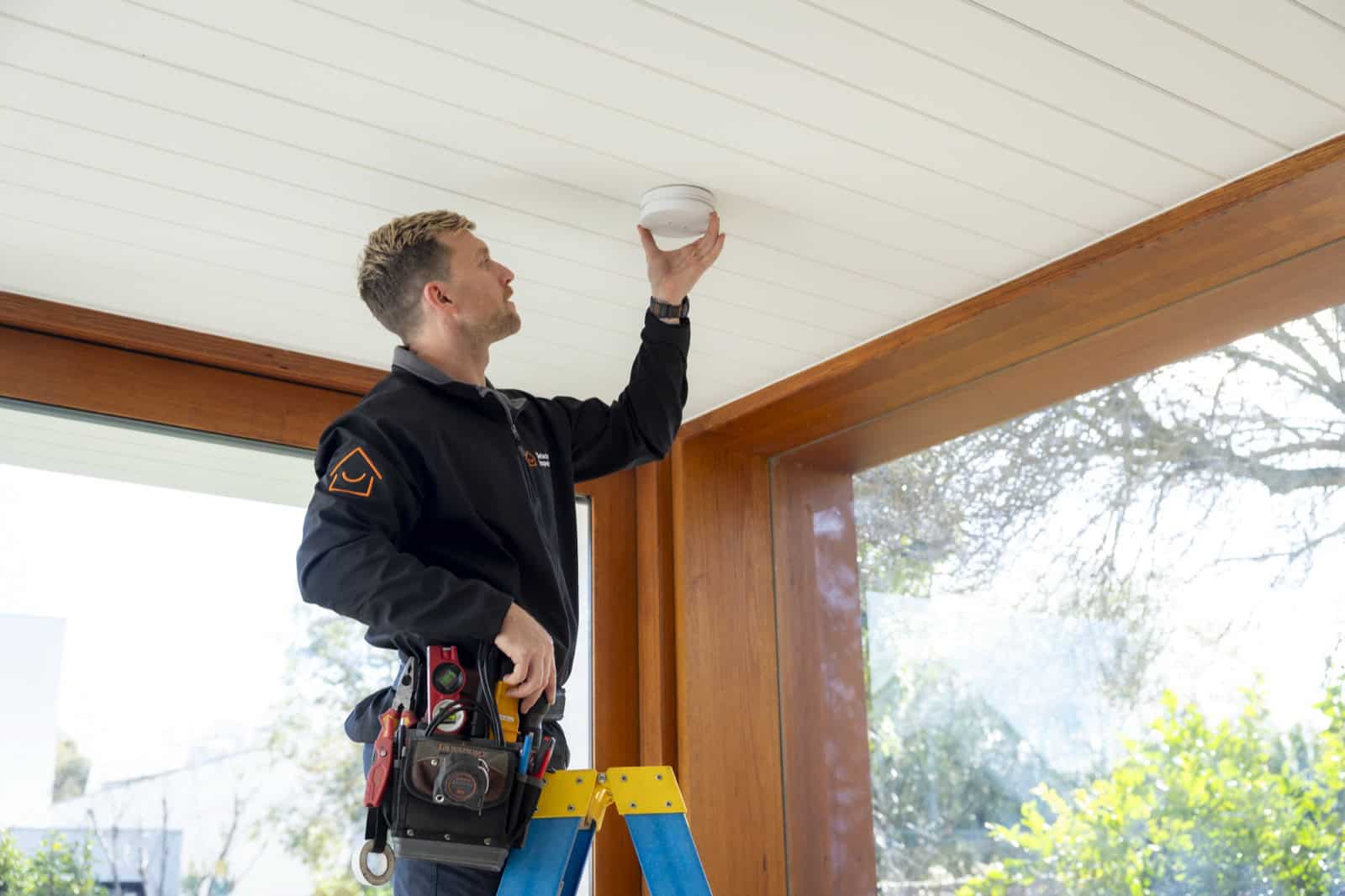
- Install smoke alarms in every bedroom, hallway and living area
- Test alarms regularly and replace batteries annually
- Use photoelectric smoke alarms, which detect slow, smouldering fires more effectively
Both Fire and Rescue Victoria and Fire and Rescue NSW specifically recommend charging lithium-ion devices only in rooms with smoke alarms—especially if charging overnight.
Smoke alarms only play the role of early warning in the case of a fire. With just 3-5 minutes to escape a fire, a well designed and rehearsed fire escape plan is essential for when a fire is detected. Visit this article to learn how to put one into action at your home.
Conclusion
Modern homes burn faster and deadlier than ever before—but smoke alarms, escape plans and awareness still save lives.
Smoke alarms play a crucial role in ensuring the safety of occupants in all properties, including rentals. Landlords and property managers are responsible for ensuring that smoke alarms are installed and tested annually according to state regulations. Tenants must ensure that smoke alarms remain in working condition by testing and cleaning them regularly.