Lithium-ion batteries power everything from e-bikes and scooters to portable chargers and household devices. Their widespread use has made them indispensable to everyday life — but as their presence in homes grows, so does the fire risk.
The fastest growing fire risk in Australian homes
Across Australia, fire authorities like Fire Rescue Victoria (FRV) and Fire and Rescue NSW (FRNSW) have raised the alarm about the rising number of lithium-ion battery–related incidents.
At Detector Inspector, safety is our top priority. That’s why we’re helping raise awareness about one of the fastest-growing fire risks in Australian homes, it’s vital that property managers, landlords and tenants understand how to use, charge and store these batteries safely.
Why lithium-ion batteries are a unique fire risk
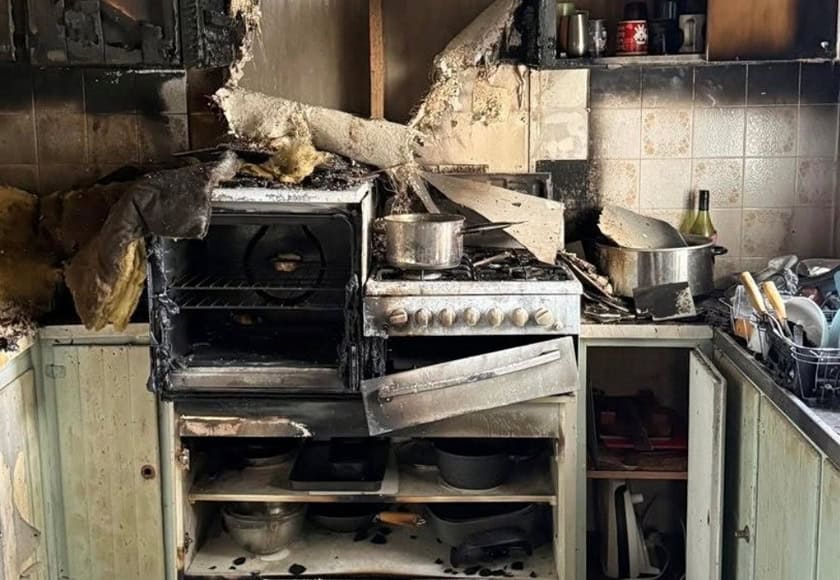
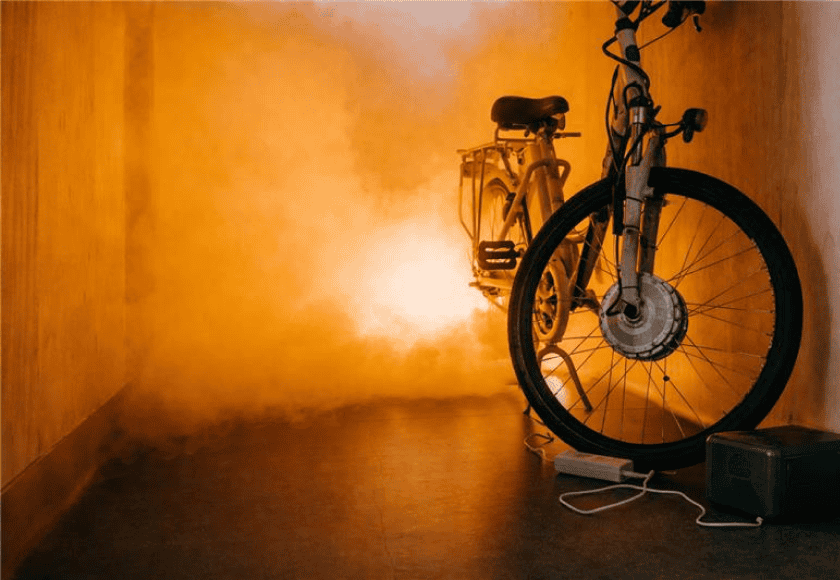
Lithium-ion battery fires differ from typical household fires — they burn hotter, release toxic gases, and can escalate quickly into thermal runaway, causing violent explosions.
(Watch this video, courtesy of FRNSW, to see how fast these incidents can unfold.)
Faulty e-bike battery explosion in Sydney hostel - Credit Fire and Rescue NSW
These fires are especially challenging for firefighters and often require specialised containment techniques. Speaking after a recent lithium-ion battery fire, FRNSW Superintendent Adam Dewberry explained that such events are becoming common:
“Lithium-ion batteries are a great convenience, but if not treated with respect — particularly in e-bikes and e-scooters — they can be extremely dangerous. They can ignite with explosive force, issuing toxic gas and causing intense fires that spread rapidly. When this happens, it effectively becomes an explosive device. Our message is simple: get out, stay out, and call Triple Zero (000).”
FRNSW Commissioner Jeremy Fewtrell echoed these growing concerns, noting the sharp rise in incidents year on year:
“We had at least 318 lithium-ion battery fires in NSW last year — up from 272 in 2023 and 165 in 2022. People are still taking dangerous risks in their homes, often overcharging batteries, charging while asleep, or mixing and matching cords. It’s a recipe for disaster.”
“We had two people die in such a fire last year, we had a family of seven narrowly escape a lithium-related blaze that destroyed their home at Penshurst late last month and we had to rescue three residents and a dog from a high-rise e-bike fire at Merrylands West around the same time.”
A growing concern with micromobility devices
Fire authorities report that many of these fires originate from micromobility devices such as e-bikes, scooters, mobility aids and electric wheelchairs — particularly those with non-compliant or faulty batteries. With the growing popularity of personal and commercial micromobility options, the risks continue to multiply.
In response, the NSW Coroners Court has launched an inquest into deaths and severe fires linked to these batteries. The NSW Government has also released a public safety campaign — Lithium-ion batteries: shop, charge, and recycle safely — to raise awareness about safe charging and recycling practices.
How to reduce the risk at home
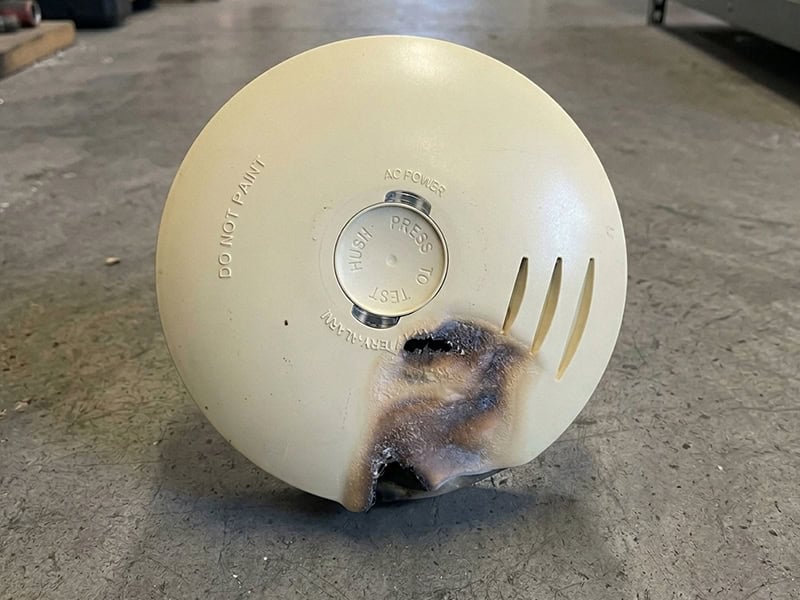
Both FRV and FRNSW emphasise the importance of charging lithium-ion batteries only in rooms fitted with working smoke alarms.
Here’s why:
- Early detection saves lives - A functioning smoke alarm gives precious seconds to act before a fire spreads.
- Risk is highest when unattended - Many incidents occur when batteries are left charging overnight.
Beyond smoke alarms, simple precautions can further reduce the risk of a lithium-ion battery fire:
- Use original chargers only - Avoid cheap or generic versions that may not meet Australian safety standards and never mix and match power cords.
- Avoid flammable surfaces - Don’t charge on beds, couches, or carpets.
- Charge when awake and alert - Daytime charging ensures someone’s nearby to respond quickly if something goes wrong.
- Inspect regularly - Look for swelling, leaking, or damage, and dispose of faulty batteries responsibly at designated collection points — never in household bins.
Smoke alarm requirements in rental properties
This worrying fire safety trend highlights the importance of not taking fire safety for granted. While smoke alarms won't prevent a fire, they provide occupants with the best chance for escape and survival.
Smoke alarms play a crucial role in ensuring the safety of occupants in all properties, including rentals. Landlords and property managers are responsible for ensuring that smoke alarms are installed and tested annually according to state regulations. Tenants must ensure that smoke alarms remain in working condition by testing and cleaning them regularly.