In the age of Lithium-ion batteries (LIBs) powering our everyday devices, understanding the risks associated with charging these batteries is paramount, especially for home fire safety. With over 1,000 LIB-related fires reported across Australia in the past year alone and multiple fatalities, it's essential to understand the safe management, storage, and charging of LIBs to minimise risk.
About Lithium-ion batteries
Lithium-ion batteries (LIBs) are integral to modern life, powering everything from phones and laptops to power banks and power tools. Their compact size and efficiency have made them the standard in rechargeable electronics.
LIBs come in various shapes and sizes and lack a standard for labelling, making them difficult to identify. Common examples include AA-sized batteries, rechargeable power tool batteries, and large plug-in brick chargers found in e-bikes. LIBs are also found in some places that you can't see, like on the inside of laptops and laptops.
In most cases, you may find printed the following readings on batteries: Lithium ion, Li-ion, Lithium-polymer, or Li-po.
Their popularity in modern electronics is down to their efficient, and energy dense/space saving footprints, and cost. The ACCC predict by 2026, the average Australian household will have 33 devices powered by LiBs.
However, their energy density and efficiency can pose a fire and safety risk if they aren't treated, stored, or charged correctly.

Lithium-ion batteries - Credit - ABC News
The Fire Danger
The fire danger often lies in the unsafe charging of these batteries and the purchase/use of batteries that do not meet regulated safety standards. Between March and November 2023, NSW Fair Trading conducted audits of 166 retailers selling devices powered by LIBs. Inspectors found 30 models with non-compliant chargers and the retailers were instructed to remove them from sale.
The danger to property and life in a LIB fire is significant due to the ferocity and speed that these fires develop.
Fire and Rescue NSW Commissioner Jeremy Fewtrell said,
"When a Lithium ion battery does catch fire, it goes from being inert and benign to suddenly, a very intense and ferocious fire."
This phenomenon is known as thermal runaway. When one battery cell bursts, it sets off a chain reaction of neighbouring cells, causing hissing and the release of toxic, flammable and explosive gases and an intense, self-sustaining fire that can reach temperatures of 2000 degrees Celsius in a matter of seconds. Civilians should not attempt to fight these fires, and instead leave the premise as quickly as possible. Attempting to douse the fire with water, or even a fire extinguisher can cause further runaway or even gas explosions. Civilians should call fire authorities immediately from a safe location.
E-scooter fire in parking garage - Credit Fire and Rescue NSW
Measures for Safe Charging
To mitigate the risk of LIB fires, consumers should follow these preventative measures:
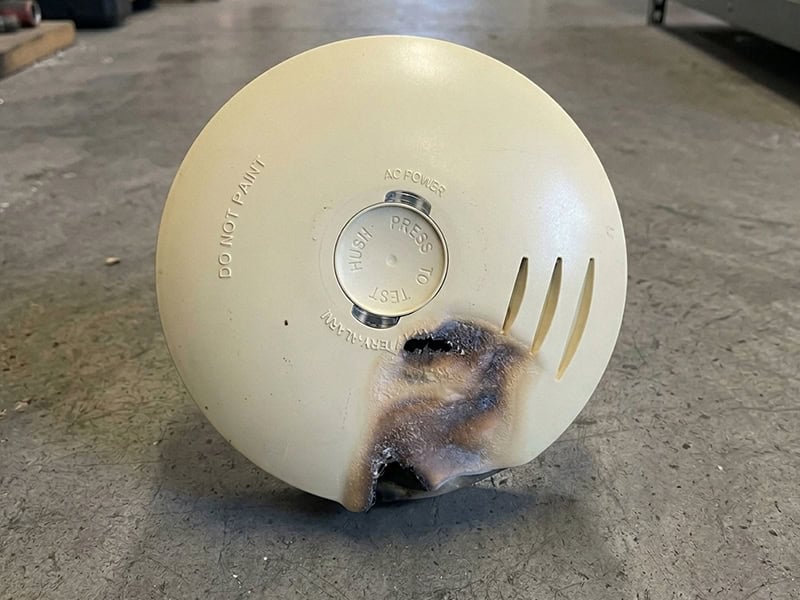
- Install Smoke Alarms: Ensure that smoke alarms are installed and functioning correctly in rooms where devices are charged to provide early detection and warning in the event of a fire.
- Use Approved Chargers: Only use chargers and cables provided with the device or those certified as compatible to prevent overcharging and overheating.
- Purchase from Reputable Sellers: Ensure that devices with rechargeable batteries are sourced from reputable brands and sellers to minimise the risk of poor-quality batteries.
- Avoid Overnight Charging: Avoid leaving devices charging overnight to reduce the risk of potential fire hazards while unattended.
- Charge Safely: Charge devices on hard, non-combustible surfaces and away from living areas, particularly near doorways, to not block escape routes.
- Monitor Battery Health: Regularly check batteries for signs of damage, overheating, swelling, or leaking, and refrain from using devices with compromised batteries. Dispose of faulty batteries responsibly at designated battery disposal locations and never in household rubbish.
- Do not tamper with or modify a LIB-powered device: Avoid altering the performance of any LIB-powered device as modifications can cause the battery to fail.
In the Event of a Fire
- Evacuate: Immediately leave the area and close doors if safe to do so to slow the spread of fire, ensuring no one goes back inside the building for any reason. The vented battery gases, vapour and smoke are highly toxic and flammable and must not be inhaled.
- Call Triple Zero (000): From a safe location and wait for firefighters to arrive.
Faulty e-bike battery explosion in Sydney hostel - Credit Fire and Rescue NSW
Australia's first LIB-related fire fatalities
LIB fires have sparked urgent safety concerns, with multiple reported fatalities in the last couple of years. The first fatal incident occurred in Lake Macquarie, NSW in mid-2024, where a townhouse fire tragically claimed two lives.
Fire and Rescue NSW Commissioner Jeremy Fewtrell said,
"This appears to be what we have been fearing for a while now, a person or persons dying due to a LIB-related fire in this state."

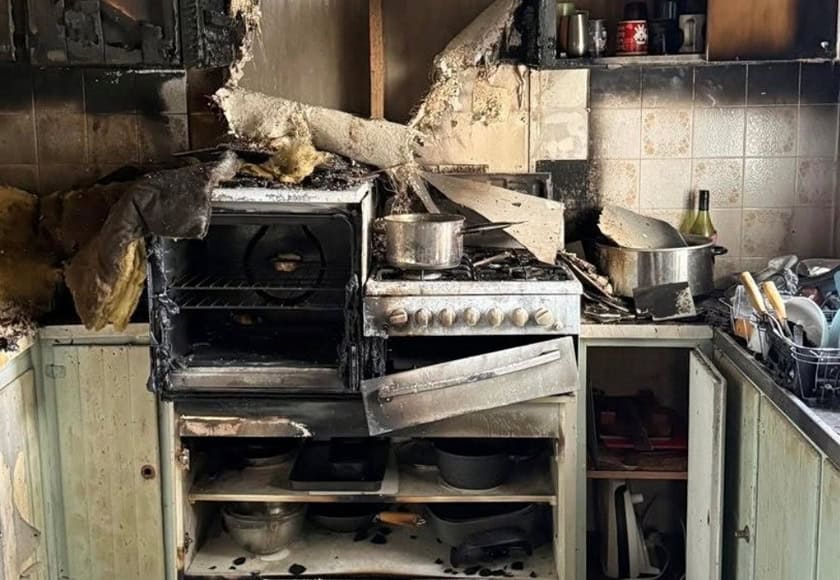
The aftermath of the fatal Lake Macquarie fire - Credit Fire and Rescue NSW
The worrying trend with micro-mobility devices
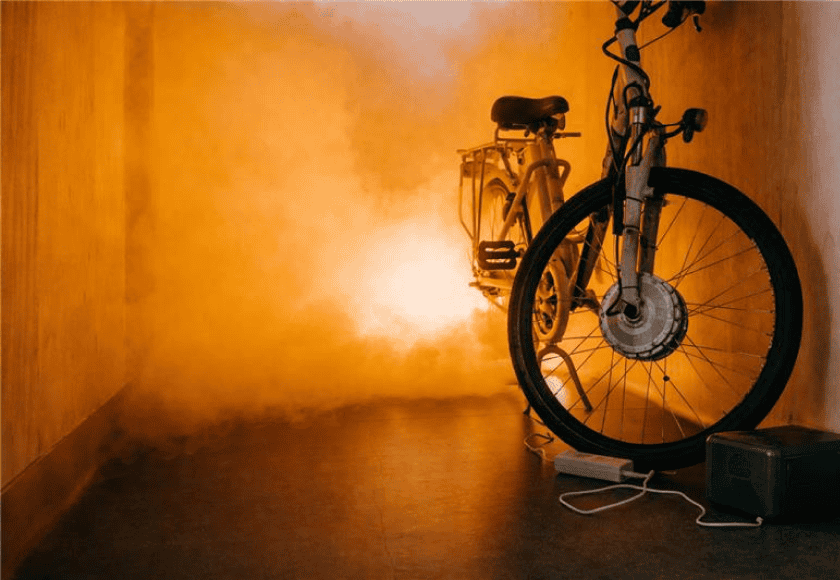
The surge in popularity of micro-mobility devices, such as e-bikes and e-scooters, has been a significant factor in the influx of LIBs into everyday life. In Australia, hundreds of thousands of micromobility devices are imported every year.
In NSW in 2023, 20% of the 285 LIB incidents that Fire and Rescue NSW responded to involved e-bikes or e-scooters, which were responsible for half of all injuries.
This stark increase in LIB incidents is also a trend seen internationally, with New York's urban landscape being a very popular market for e-bikes and scooters.
In May 2024, the New York house passed legislation with the introuduction of Setting Consumer Standards for Lithium-Ion Batteries Act. Rep. Ritchie Torres said between 2019 and 2023, the New York City Fire Department reported more than 400 fires, 300 injuries and 12 deaths from fires caused by LIBs, one of the leading causes of fires in the city.

The remains of a fire at an e-bike repair shop in New York that killed 4 in 2023 - Credit - Amir Hamja/The New York Times
Smoke Alarm Requirements in Rental Properties
This worrying fire safety trend highlights the importance of not taking fire safety for granted. While smoke alarms won't prevent a LIB fire, they provide occupants with the best chance for escape and survival.
Smoke alarms play a crucial role in ensuring the safety of occupants in all properties, including rentals. Landlords and property managers are responsible for ensuring that smoke alarms are installed and tested annually according to state regulations. Tenants must ensure that smoke alarms remain in working condition by testing and cleaning them regularly.